
Yoga vs Pilates: Which Movement Practice Transforms Your Body and Mind?
Key Insights:
Origins Matter: Yoga incorporates 5,000 years of spiritual tradition with physical practice, while Pilates was created as "Contrology" by Joseph Pilates purely for physical and therapeutic benefits without religious elements.
Equipment Creates Results: Pilates utilizes specialized equipment with springs and varied angles for resistance training that provides more targeted muscle engagement than yoga's primarily body-weight approach.
Real-World Evidence: Xavier, a dedicated yogi for 15+ years, discovered deeper core muscle activation through Pilates after back surgery that he never experienced in his advanced yoga practice.
Understanding Yoga vs Pilates for Your Wellness Journey
When sophisticated wellness seekers in Miami explore movement practices that honor both body and mind, the question inevitably arises: yoga vs pilates—which practice will transform how you move, feel, and live? Both disciplines offer profound benefits, yet each follows a distinct philosophy and methodology. Understanding these differences empowers you to make an informed choice that aligns with your lifestyle, goals, and values.
At APT111: Align Pilates Training in Miami, we've guided countless families through this decision-making process. While we specialize in classical Pilates, we deeply respect yoga's ancient wisdom and often help clients understand how these practices can complement each other beautifully. The choice between yoga vs pilates isn't about finding the "better" option—it's about discovering which foundation serves your unique journey toward strength, mobility, and well-being.
What's the Difference Between Yoga and Pilates?
The fundamental distinction in the yoga vs pilates conversation begins with their origins and core philosophies. Yoga, with its 5,000-year history, represents a comprehensive spiritual practice that encompasses physical postures (asanas), breathing techniques, meditation, and ethical guidelines. This ancient discipline carries religious and philosophical elements rooted in Hindu and Buddhist traditions, offering practitioners a path toward spiritual enlightenment alongside physical wellness.
Pilates, originally called "Contrology" by its creator Joseph Pilates in the early 20th century, emerged from a purely physical and therapeutic foundation. Joseph Pilates developed this method without religious or spiritual components, focusing instead on precise movement patterns, breath coordination, and the development of what he termed the "powerhouse"—the core muscles that support all movement.
Yoga vs. Pilates
When examining yoga vs pilates from a movement perspective, both practices utilize body weight for strengthening and stretching. However, Pilates emphasizes elongation of the body through controlled movements with a strong core foundation. The classical Pilates method incorporates specialized equipment with springs and varied angles, creating resistance training opportunities that yoga typically doesn't provide. This equipment-based approach allows for more precise muscle targeting and progressive resistance that adapts to your strength development.
The breathing patterns also differ significantly between these disciplines. Yoga traditionally emphasizes various pranayama (breathing) techniques that may involve breath retention or specific rhythms linked to spiritual practice. Pilates breathing follows a more systematic approach, coordinating inhale and exhale patterns with specific movement phases to enhance core engagement and movement efficiency.
Takeaways
Yoga integrates spiritual elements with physical practice, while Pilates focuses purely on systematic strength and stability development
Pilates typically delivers faster visible results in core strength and posture through its equipment-based resistance training
Both practices support wellness goals effectively, with the choice depending on personal preferences for spiritual vs. purely physical approaches
Pilates or Yoga for Beginners
For those new to movement practices, the question of yoga or pilates often depends on personal preferences, physical needs, and wellness goals. Both disciplines welcome beginners, though they offer different entry points into mindful movement.
Yoga classes typically begin with basic postures and breathing exercises, gradually introducing more complex sequences. The practice encourages students to honor their bodies' limitations while exploring flexibility, strength, and mindfulness. Many yoga styles exist, from gentle restorative practices to vigorous power yoga, offering options for various fitness levels.
Pilates, particularly in a private lesson setting, provides an exceptionally tailored introduction to movement principles. Each 50-minute lesson begins with understanding your body's needs that day, ensuring proper form and alignment from the very first session. This personalized approach allows beginners to develop a strong foundation without the intimidation factor that sometimes accompanies group fitness environments.
The decision between yoga or pilates for beginners can come down to your priorities: Do you seek a practice that integrates spiritual elements with physical movement, or do you prefer a systematic, anatomy-based approach to strength and mobility?
Pilates or Yoga for Weight Loss
Yoga's contribution to weight loss often comes through stress reduction, improved sleep quality, and enhanced body awareness that supports healthier eating habits. More vigorous yoga styles like Ashtanga or Power Yoga can provide moderate caloric burn, while restorative practices help regulate cortisol levels that affect weight management.
Pilates offers unique advantages in the yoga vs pilates weight loss discussion due to its emphasis on muscle strengthening and lengthening. The resistance provided by classical Pilates equipment creates more significant muscle engagement than mat-based exercises alone. This increased muscle activation burns calories during lessons and continues to elevate metabolic rate post-exercise. The core-strengthening focus of Pilates also improves posture, which can create a leaner appearance regardless of weight changes.
When considering yoga or pilates for weight loss, both practices contribute to healthy weight management through different mechanisms, though neither should be viewed as the primary solution for significant weight loss goals.
Weight Training for Weight Loss
Research consistently shows that weight training provides the most effective exercise approach for weight loss due to its impact on metabolic rate and muscle development. However, both yoga and pilates support weight management goals when combined with proper nutrition and potentially additional cardio activities.
For optimal weight loss results, many wellness experts recommend combining either practice with dedicated strength training and cardiovascular exercise. The choice between yoga and pilates for weight support should align with which practice you'll maintain consistently, as adherence matters more than the specific modality chosen.
Pilates or Yoga for Low Back Pain
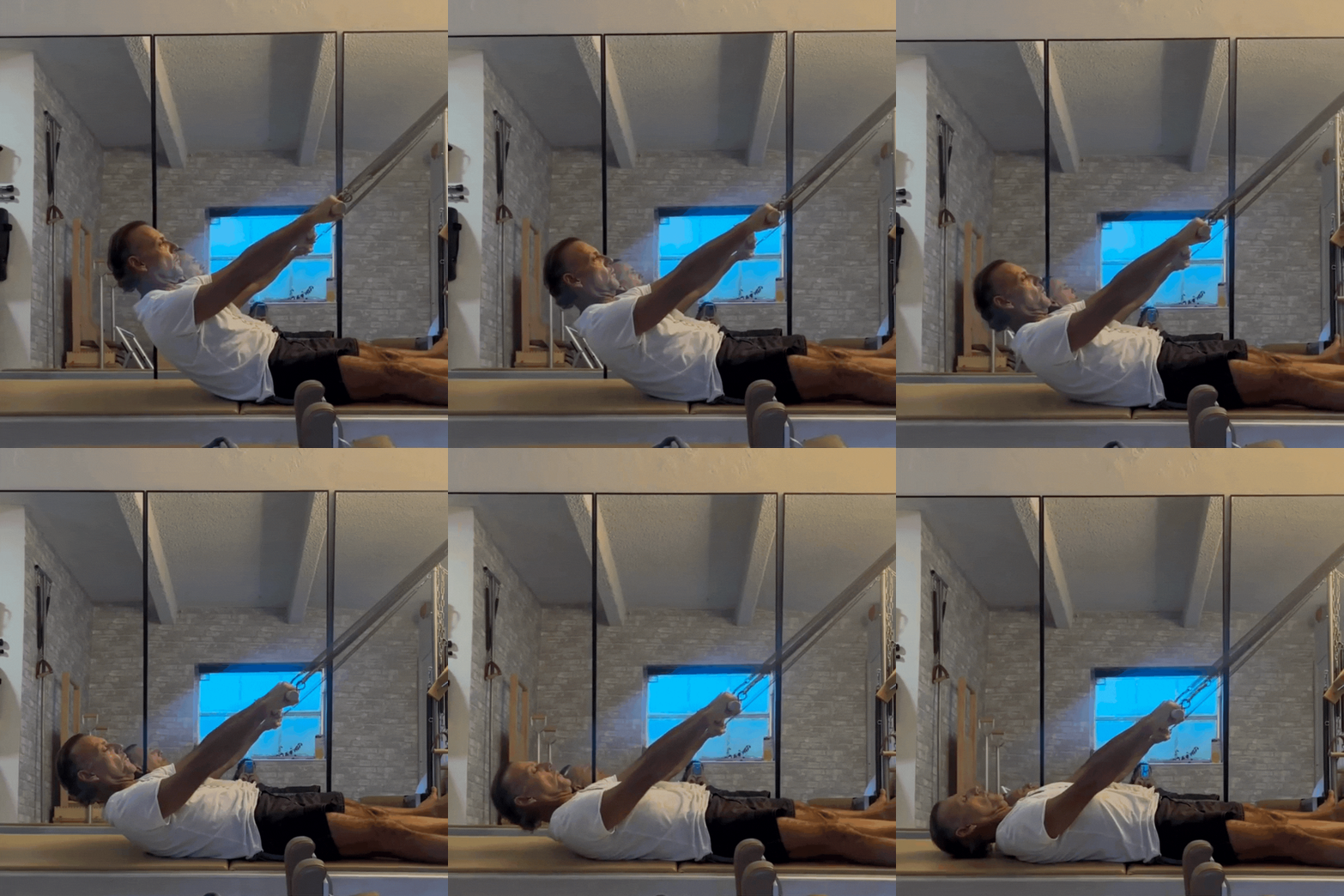
The question of yoga or pilates for low back pain deserves careful consideration, as both practices can provide relief when practiced appropriately, approaching spinal health from different angles. Pilates, with its systematic approach to core strengthening and spinal stabilization, often provides targeted relief for back pain sufferers. The method's emphasis on proper alignment and controlled movement creates strong foundation for spinal health.
Consider Xavier's experience, illustrating the yoga vs pilates decision for back pain management. As a dedicated yogi with over five years of advanced practice, Xavier discovered after back surgery that his physical therapist recommended Pilates for rehabilitation.
After searching across Miami for a quality Pilates instructor he chose this studio, APT111:Align Pilates Training, to recover post-back surgery. Within weeks of classical Pilates lessons, Xavier experienced muscle engagement patterns never felt during extensive yoga practice. The precision and core-focused approach activated deep stabilizing muscles that yoga hadn't specifically targeted. On his recent flight back from visiting a client in Mexico he did not experience any back pain-a testament to his hard work and our training.
Today, Xavier has committed to Pilates practice because he feels significantly stronger than during his yoga years.
“Highly recommend Saphi. I have an active lifestyle and have seen trainers and yoga teachers for about 15 years. Saphi is the very best. Has a great client/teacher relationship and definitely knows what she is doing which is paramount when you trust your body to a teacher. Go see her- you will not be disappointed! The very best here!”
- Xavier C.
Is Pilates or Yoga Right for Your Lifestyle?
Choosing between yoga vs pilates often depends on practical lifestyle considerations beyond physical preferences:
Time and Schedule Factors:
Yoga classes range from 60-90 minutes typically
Private Pilates lessons are structured 50-minute sessions
Both offer flexible scheduling options
Private lessons provide maximum time efficiency
Investment and Commitment Levels:
Yoga requires minimal equipment investment
Pilates utilizes specialized studio equipment
Both practices benefit from consistent participation
Private instruction accelerates progress in both disciplines
Long-term Wellness Goals:
Yoga supports stress management and spiritual growth
Pilates focuses on muscular strength and stability
Both practices complement other fitness activities
Individual results depend on consistency and proper instruction
Book Your Private Pilates Lesson
Ready to experience the transformative power of classical Pilates? Our private lessons offer the personalized attention and expert guidance that make all the difference in your movement journey. Whether you're exploring the yoga vs pilates question or ready to commit to a Pilates practice, we'll create a program tailored to your unique needs and goals.
Frequently Asked Questions
Q: Can I practice both yoga and pilates together? A: Absolutely! Many clients find that yoga and pilates complement each other beautifully. Pilates provides the core strength and stability foundation that can enhance your yoga practice, while yoga's flexibility and mindfulness elements can support your Pilates work.
Q: How often should I practice Pilates compared to yoga? A: For optimal results, we recommend 2-3 Pilates lessons per week, allowing rest days between sessions for muscle recovery. This frequency provides consistent progress while fitting into busy schedules. Yoga can be practiced more frequently due to its generally lower impact nature.
Q: Is Pilates or yoga better for stress relief? A: Both practices offer stress relief benefits. Yoga's meditation and breathing components directly target stress reduction, while Pilates provides stress relief through focused movement, improved posture, and the satisfaction of mastering challenging exercises.
Q: Which practice shows faster physical results? A: In the yoga vs pilates comparison for visible results, Pilates typically shows faster improvements in core strength, posture, and muscle definition due to its targeted approach and resistance-based exercises. However, individual results vary based on consistency and starting fitness level.
Q: Do I need special equipment for either practice? A: Yoga requires minimal equipment—primarily a mat and possibly blocks or straps. Classical Pilates utilizes specialized equipment (Reformer, Cadillac, Chair) that provides resistance and support, making it more equipment-dependent but also more precisely targeted in its effects.
Summary: Choosing Your Path Forward
The yoga vs pilates decision ultimately comes down to your personal wellness goals, lifestyle needs, and movement preferences. Yoga offers a holistic practice combining physical movement with spiritual elements, emphasizing flexibility, mindfulness, and stress reduction. Pilates provides a systematic, anatomy-based approach to strength building with particular emphasis on core stability and precise movement patterns.
Both practices support overall wellness, though they serve different aspects of health and fitness. Yoga excels in flexibility, stress management, and spiritual connection. Pilates specializes in core strength, postural improvement, and targeted muscle development through its unique equipment-based approach.
Ready to explore how classical Pilates can transform your movement practice? Visit alignpilatesmiami.com/pilates-lessons to discover more about our approach and schedule your introductory lesson. We look forward to supporting your journey toward stronger, more balanced living.